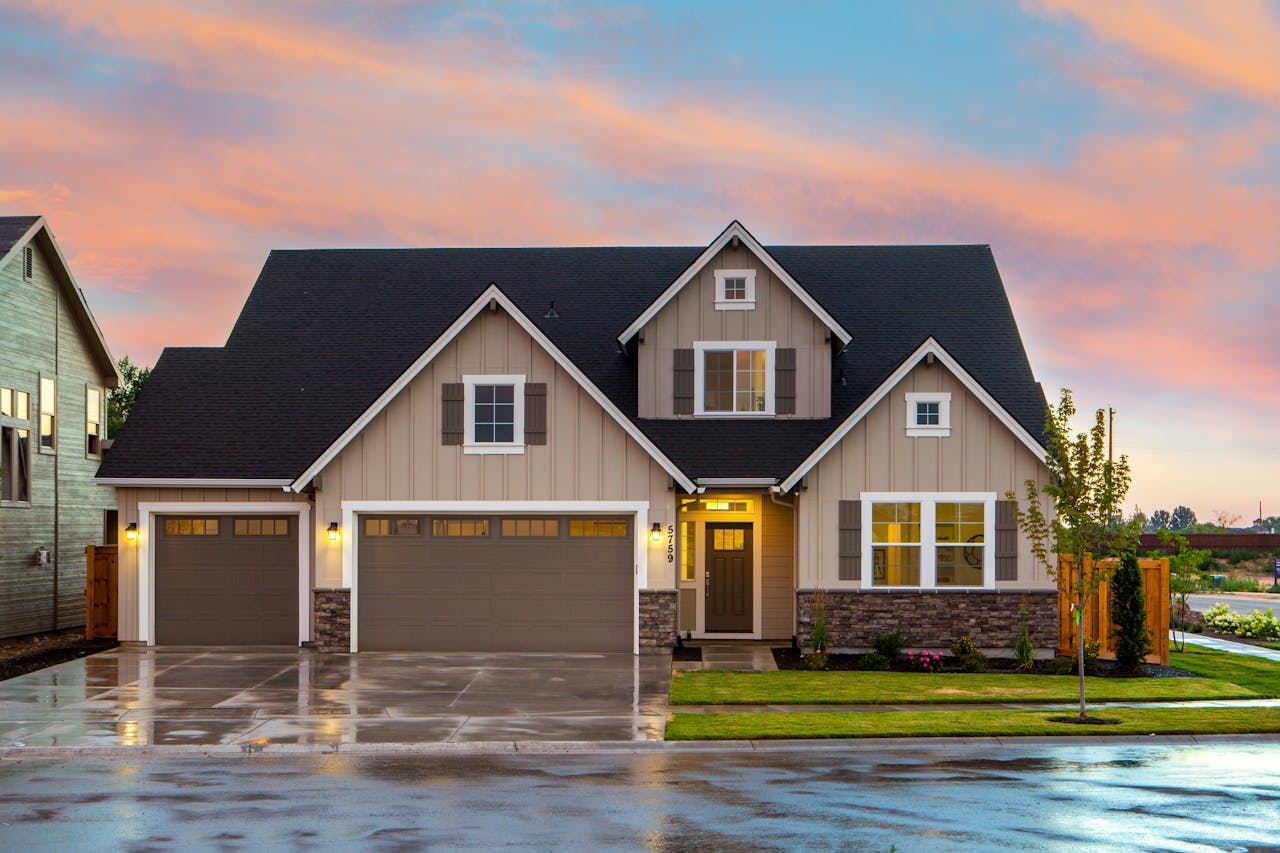
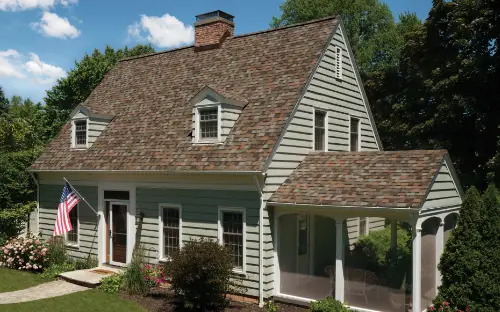
When it's time to replace a roof in northern Illinois, most homeowners choose between two options: asphalt shingles, which cover the large majority of homes in our area, and metal roofing, which has become far more common on houses over the past few decades. Both can protect your home well for many years. They just get there differently — and they make sense for different homeowners.
We install both at Littlefield Siding: GAF and Owens Corning asphalt shingle systems, and metal and steel roofing. So there's no reason for us to steer you one way. This guide is the same comparison we walk through at a free roofing estimate. For an overview of everything we install, see our roofing services page.
Metal vs. Asphalt at a Glance
| Factor | Asphalt Shingles | Metal Roofing |
|---|---|---|
| Typical lifespan | 20–30 years | 40–70 years |
| Upfront cost | Lower | Higher |
| Snow & ice | Holds snow; relies on ice & water shield at eaves | Sheds snow readily; snow guards may be needed |
| Hail | Bruising, cracking, granule loss; impact-rated options available | Resists cracking and punctures; can dent |
| Maintenance | Low; easy spot repairs | Very low; exposed fasteners need periodic checks |
| Weight | Heavier | Lighter |
| Appearance | Traditional; wide color range | Modern panels or shingle and shake profiles |
| Best for | Budget-focused projects, shorter ownership, complex roofs | Long-term owners, storm-prone homes, low maintenance |
Understanding Your Options
Asphalt shingles
Architectural (dimensional) shingles are the standard for most replacements today. They're thicker than older styles, have a layered look that adds depth to the roof, and generally hold up better in wind. Three-tab shingles are flatter and thinner, and they're far less common on new installations. Impact-resistant shingles are designed to better withstand hail; the highest rating under the UL 2218 impact standard is Class 4.
Metal roofing
Standing seam roofing uses long vertical panels with raised seams and concealed fasteners, giving a clean, modern look. Exposed-fastener panels are screwed through the face of the panel and are common on agricultural and outbuildings as well as some homes. Metal shingles and shakes are stamped to resemble traditional shingles, slate, or wood shakes — a good option for homeowners who want metal's durability without a modern look.
Snow, Ice, and Northern Illinois Winters
Winter is where the two materials behave most differently.
Metal sheds snow. Its smooth surface lets snow slide off, especially once the sun warms it. That reduces how long heavy snow sits on the roof and can help limit ice dams. The trade-off is that snow can come off in large slides. Snow guards are often installed above entry doors, walkways, decks, and driveways, where sliding snow and ice could cause injury or damage.
Asphalt shingles hold snow. That isn't a problem on a properly built roof, but it means the eaves depend on good attic ventilation, insulation, and ice and water shield to handle melting and refreezing. Our ice dam guide explains how that system works.
With either material, ice dams are fundamentally an attic problem: heat escaping into the attic melts snow on the roof. A new roof — metal or asphalt — is the ideal time to fix ventilation and add proper ice protection at the eaves.
Hail and Wind
Hail. Asphalt shingles can bruise, crack, and lose granules when hit by hail, and that damage shortens the roof's life even if it doesn't leak right away. Impact-resistant shingles hold up better. Metal roofing doesn't crack or lose granules, but large hail can leave dents. Those dents are often purely cosmetic — the roof still keeps water out — which is why some insurance policies exclude or limit coverage for cosmetic damage to metal roofs. If hail resistance is a major reason you're considering metal, read that part of your policy and talk to your agent. Heavier-gauge metal and textured or profiled finishes also make dents less noticeable.
Wind. Both materials can perform very well in high wind when installed correctly. With shingles, proper nailing and fully sealed shingle strips are what keep them on in a severe storm. With metal, panel attachment and fastening patterns matter. In both cases, installation quality matters more than the product label.
If you've had a recent storm, our guide to hidden hail damage signs explains what to look for on both materials.
Lifespan and Long-Term Value
Asphalt shingles typically last 20–30 years in our climate. Metal roofing can last 40–70 years. That difference is the heart of the decision.
Metal costs more upfront, but a homeowner planning to stay for decades may never need to replace it — while an asphalt roof may need to be replaced once or even twice over the same period. If you expect to move within a handful of years, you're unlikely to see that long-term benefit, and asphalt shingles usually make more financial sense.
Either way, a roof's real lifespan depends on installation quality, attic ventilation, and how much severe weather it faces. A poorly installed metal roof won't outlast a well-installed shingle roof.
How long do you plan to stay in this house? If the answer is "for the long haul," metal deserves a serious look. If you might move in the next several years, quality architectural shingles are usually the smarter investment.
Noise, Energy, and Comfort
Noise. Many people picture a metal roof sounding like rain on a barn. On a home, metal roofing installed over solid decking and underlayment, with an insulated attic below, is usually not much louder than shingles during rain. Hail is noisier on metal, but most homeowners find it isn't a day-to-day concern.
Summer heat. Metal roofing reflects more of the sun's heat than a typical dark shingle, particularly with lighter colors or reflective finishes, which can help keep attic temperatures down in summer. In a heating-dominated climate like ours, attic insulation and air sealing matter more for comfort and energy use than roofing material alone.
Maintenance and Repairs
Asphalt shingles are easy to repair. A few damaged or missing shingles can be replaced without much trouble, though matching the color on an older roof isn't always exact. Over time, watch for granule loss, curling, and worn pipe boots and flashing.
Metal roofing needs very little maintenance. On exposed-fastener systems, the rubber washers on the screws age over the years and should be checked periodically. Repairs to a damaged panel are more involved than swapping a shingle, and scratches in the finish should be touched up to protect the metal.
With both, keep gutters clean and have flashing around chimneys, skylights, and vents checked — that's where most leaks start on any roof.
Appearance and Your Neighborhood
Asphalt shingles offer a traditional look and a wide range of colors that suit almost any home. Metal roofing can look sleek and modern with standing seam panels, or traditional with shingle and shake profiles. Consider your home's architecture, your neighborhood, and any homeowners association rules before you decide. We bring samples so you can see options next to your siding and trim.
Which Is Right for Your Home?
- You plan to stay for decades. Metal's long lifespan and low maintenance can pay off over time.
- Budget is the main priority. Quality architectural shingles offer excellent protection and value.
- You're likely to sell in the next several years. Asphalt shingles are usually the more practical choice.
- Your roof has been hit by hail repeatedly. Consider metal or impact-resistant shingles, and review how your policy treats cosmetic damage.
- Heavy snow sliding onto a walkway or driveway is a concern. Metal can still work with snow guards; asphalt avoids the issue.
- Your roof has many valleys, dormers, and penetrations. Shingles adapt easily to complex roofs; metal can too, but with more detailed flashing work.
Whichever you choose, the installation matters as much as the material. Our guide to what to expect during a roof replacement covers what a quality job includes.
Frequently Asked Questions
Is a metal roof worth it in northern Illinois?
It can be, especially if you plan to stay in your home for a long time. Metal roofing costs more upfront than asphalt shingles but typically lasts 40–70 years compared to 20–30 for asphalt, sheds snow well, and needs little maintenance. If you may move in a few years, asphalt shingles are usually the more practical choice.
Is a metal roof louder in the rain?
Not as much as most people expect. When metal roofing is installed over solid decking and underlayment with an insulated attic below, rain noise inside the home is usually similar to a shingle roof. The loud metal roofs people remember are often on open-framed barns and sheds.
Does hail damage metal roofs?
Metal roofing resists the cracking and granule loss hail causes on shingles, but large hail can dent it. Dents are often cosmetic and don't affect how well the roof keeps water out. Some insurance policies limit coverage for cosmetic damage to metal roofs, so check your policy.
Can you put a metal roof over shingles?
Some metal roofing systems can be installed over an existing shingle layer where local codes allow, but removing the old roof lets the decking be inspected and repaired and allows proper underlayment and ice protection. We evaluate each roof individually and generally recommend a full tear-off.
What are impact-resistant shingles?
Impact-resistant shingles are asphalt shingles tested to resist damage from hail-sized impacts. The highest rating under the UL 2218 standard is Class 4. Some insurers offer premium discounts for Class 4 roofs, so ask your insurance agent.
How We Help You Choose
At a free roofing estimate, we inspect your roof and attic, ask how long you plan to stay and what matters most to you, and walk you through asphalt and metal options side by side. We'll give you a straight recommendation — including when the less expensive option is the better fit — and a written estimate.
We've been installing roofs across northern Illinois since 1986, we pull all required permits, and our own crew does the work from tear-off to final walkthrough.
Get a Free Roofing Estimate
Weighing metal against shingles? Request a free estimate or call (815) 636-6446.
We install roofing for homeowners in Loves Park, Rockford, Roscoe, Belvidere, Byron, Oregon, and communities across northern Illinois.