If you're replacing siding on a northern Illinois home, the decision almost always comes down to two materials: vinyl and steel. Both are low-maintenance, both come in a wide range of colors and profiles, and both can look great for decades when they're installed correctly. But they behave very differently in hail, in cold, and over time — and the right choice depends on your house, your priorities, and how long you plan to stay.
We install both at Littlefield Siding, so we don't have a reason to push one over the other. This guide is the same comparison we walk through with homeowners during a free estimate. For an overview of everything we install, see our siding services page.
Vinyl vs. Steel at a Glance
| Factor | Vinyl | Steel |
|---|---|---|
| Hail & impact | Can crack or puncture, especially in cold weather | Resists cracking; can dent in severe hail |
| Temperature movement | Expands and contracts noticeably | Moves much less |
| Upfront cost | Lower | Higher |
| Maintenance | Occasional washing | Occasional washing; touch up scratches |
| Repairs | Panels easy to replace; color matching can be tricky on older siding | Dented panels must be replaced; matching can also be tricky |
| Fire | Melts and deforms with high heat | Noncombustible |
| Color & style range | Very wide | Wide, with crisp, straight lines |
| Lifespan | Typically 20–40 years | Generally outlasts standard vinyl |
The table is the short version. Here's what each of those differences means for a house in our climate.
Hail and Impact Resistance
This is the biggest reason northern Illinois homeowners consider steel. Our area sees regular spring and summer hail, and siding on the storm-facing side of a house takes a beating.
Vinyl is flexible in warm weather and can absorb a lot of small impacts without damage. But vinyl gets stiffer and more brittle as the temperature drops. A hailstorm on a cool spring evening — or a snowblower, a thrown rock, or a ladder bumped against the wall in January — can crack or punch a hole in a panel that would have flexed in July. Once vinyl cracks, water can get behind it.
Steel doesn't crack or puncture from typical hail, which is why it's worth serious consideration if your home has had storm damage before. The trade-off is that steel dents under a hard enough impact, and dents are permanent. A dented panel still keeps water out, but it has to be replaced to look right. Heavier-gauge (thicker) steel resists denting better than lighter-gauge products, and textured finishes help hide minor dings.
If you're dealing with damage right now, our guide to hidden hail damage signs explains what to look for on both materials.
Cold, Heat, and Expansion
Northern Illinois can swing from well below zero in winter to the 90s in summer. Siding has to handle that movement.
Vinyl expands and contracts significantly with temperature. That's normal, and it's designed for it — but only if it's installed correctly. Each panel has to hang loosely on its nails, centered in the nailing slots, with room to slide at the ends and at every piece of trim. When vinyl is nailed tight or butted hard against trim, it has nowhere to go. The result is buckling, waviness, and panels that pop loose. Most "bad vinyl siding" we see is really bad installation.
Steel moves much less. It stays flatter and straighter across temperature swings, which is part of why steel siding has such crisp, clean lines. It still needs proper installation, but it's less sensitive to small mistakes in fastening.
There's one more heat-related issue worth knowing about for vinyl: sunlight reflected off some energy-efficient windows — including a neighbor's — can concentrate enough heat to distort vinyl panels. It isn't common, but if you have a spot where you've seen this happen, steel eliminates the concern.
Appearance, Colors, and Profiles
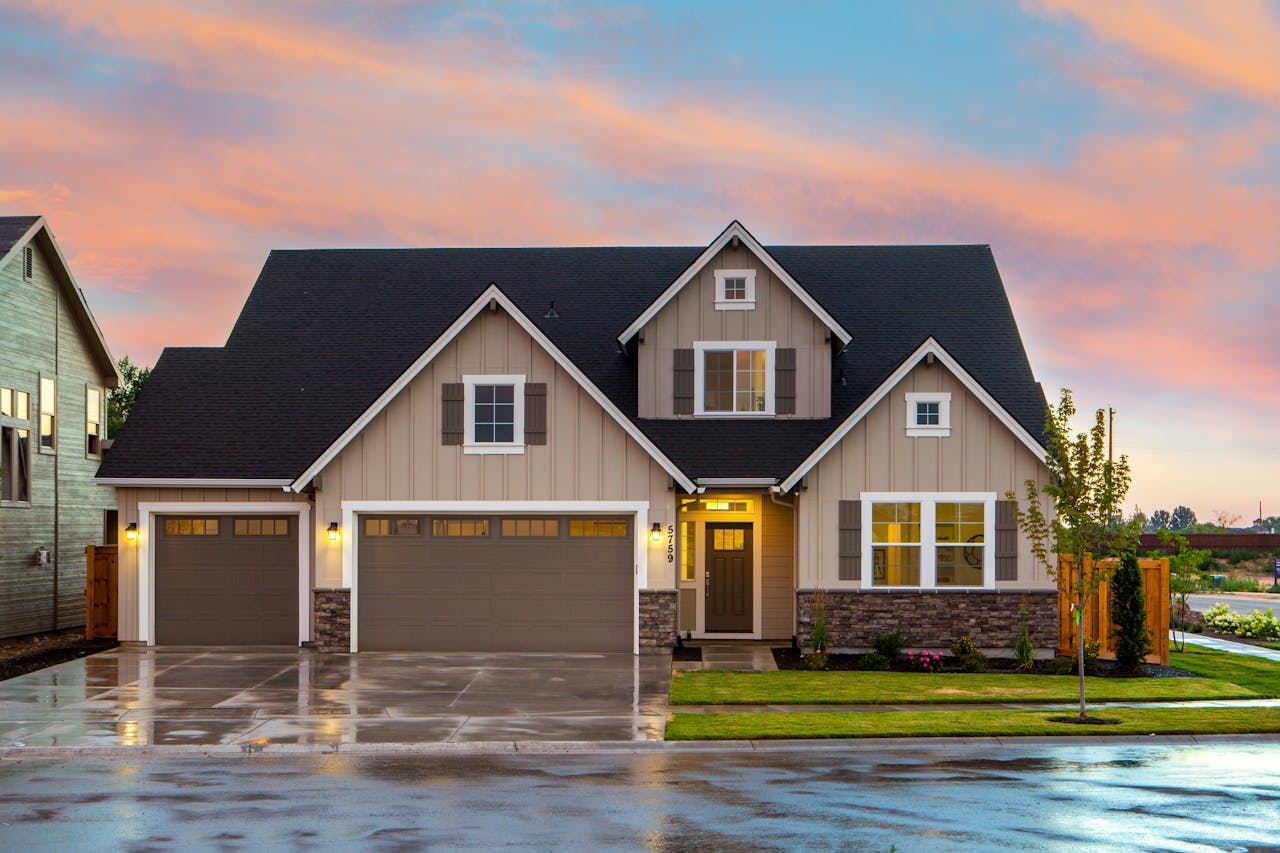
Both materials come in traditional lap siding, Dutch lap, vertical board-and-batten, and a range of textures and trim options. Both offer many colors.
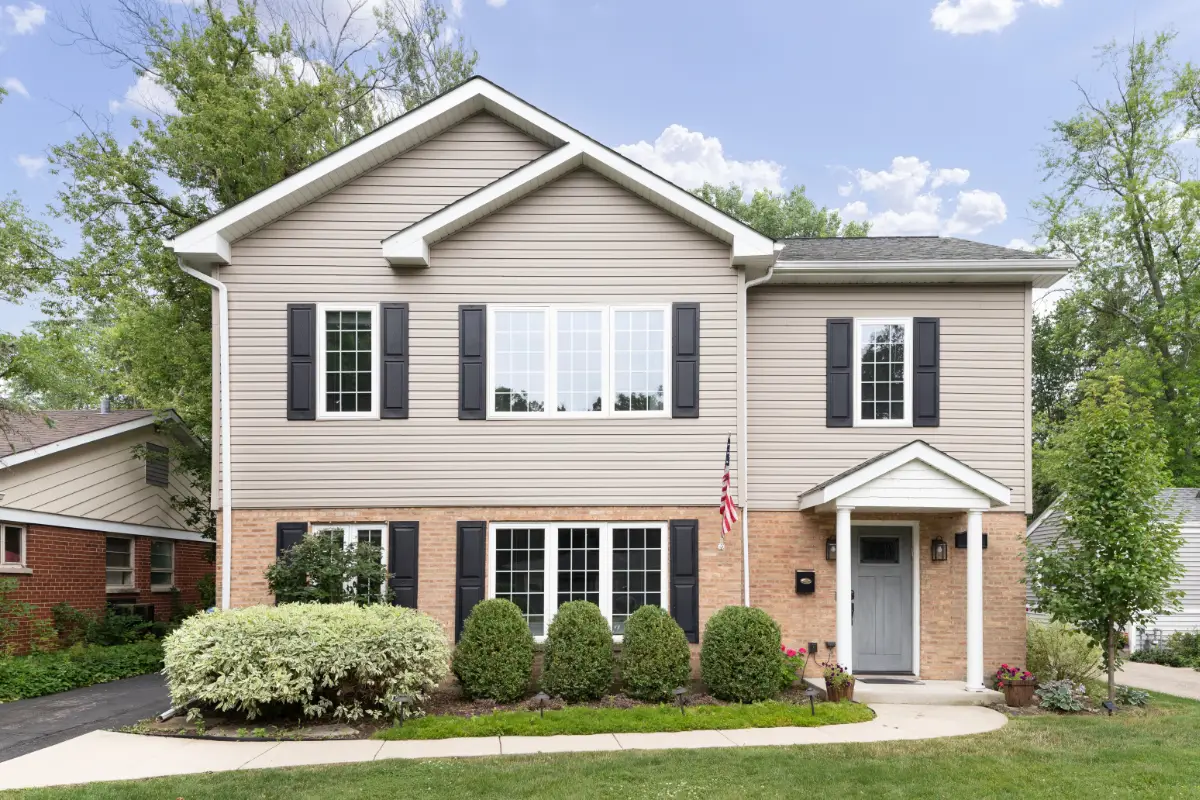
Vinyl offers the widest range of colors, profiles, and accessories, including shakes and scallops for gables and accents. Modern vinyl looks far better than the thin, shiny siding many people remember from decades ago.
Steel tends to look more rigid and uniform, with sharp shadow lines and very straight runs across long walls. Homeowners who want a clean, tailored look often lean toward steel.
Color retention has improved dramatically for both materials. Darker colors on any siding absorb more heat and deserve a conversation about product choice. We bring samples to your home so you can see colors against your roof, trim, and brick in real daylight — not on a screen.
Maintenance, Moisture, and Repairs
Neither material needs painting. Both benefit from gentle washing now and then to remove dirt, pollen, and mildew — a garden hose and a soft brush usually do the job.
Steel siding has a factory-applied coating that protects it from rust. Rust becomes a concern mainly where that coating is compromised: deep scratches, unprotected cut edges, or spots where debris holds moisture against the wall. A careful installer hides or protects cut edges, and touching up scratches keeps small problems from growing.
Vinyl can't rust or rot. Its maintenance issues are mostly physical: cracked panels, panels that come unlocked in high wind, and fading on very old siding.
Repairs work a little differently. Individual vinyl panels are relatively easy to unlock and replace. Steel panels can be replaced too, but dents can't be popped out, so any damaged panel has to come off. With either material, matching the color on older siding can be difficult because manufacturers update their lines over time. When an exact match isn't available, replacing a full wall section often looks better than a patchwork repair.
A premium product installed poorly will fail before a standard product installed well. Ask any contractor how they handle nailing, expansion gaps, house wrap, and flashing around windows and doors. Our guide to what to expect during a siding replacement walks through what a proper installation includes.
Where Insulated Siding Fits In
Insulated siding isn't a third material — it's vinyl or steel with a rigid foam backer attached to each panel. It's worth considering with either choice.
The foam backer makes panels more rigid, which helps them resist impacts and lie flatter on the uneven walls common on older homes. It also reduces heat loss through the wall studs and can make the house a bit quieter. Many of the 1950s through 1980s homes across the Rockford area have walls that aren't perfectly flat after decades of settling, and insulated panels can hide a lot of that.
Which Is Right for Your Home?
There's no universal winner. Here's how we'd think about it in a few common situations:
- Your home has had hail damage before. Steel deserves a serious look, ideally in a heavier gauge. Fewer cracked panels means fewer repairs and fewer claims.
- Budget is the main driver. Quality vinyl, installed correctly, delivers excellent value and a long service life.
- You want the widest choice of colors and accents. Vinyl offers more options for shakes, scallops, and specialty trim.
- You want a crisp, modern, or tailored look. Steel's straight lines and sharp shadows are hard to beat, especially on long walls.
- Your walls are wavy or uneven. Insulated siding in either material hides imperfections better than standard panels.
- You plan to stay for decades. Steel's durability and longer life can make the higher upfront cost worthwhile over time.
- You're selling in the next few years. Clean, well-installed vinyl in a neutral color is a strong, cost-effective choice for resale.
Many homes also combine materials — for example, vinyl lap siding on the main walls with vertical board-and-batten or shakes on gables and accents.
Frequently Asked Questions
Is steel siding better than vinyl for hail?
Steel is generally more resistant to hail than vinyl because it doesn't crack or puncture the way cold vinyl can. It can still dent in a severe storm, and dents are permanent, so heavier-gauge steel is the better choice if hail resistance is your main goal.
Does steel siding rust?
Steel siding is coated at the factory to resist rust. Problems usually start where that coating is damaged — deep scratches, cut edges that weren't treated or hidden, or areas where water sits against the metal. Careful installation and touching up scratches keeps rust from being an issue.
How long does vinyl siding last in northern Illinois?
Quality vinyl siding installed correctly typically lasts 20 to 40 years in our climate. Steel and insulated siding generally outlast standard vinyl. Installation quality and impact damage are the biggest factors in how long either material lasts.
Can I get insulated siding in both vinyl and steel?
Yes. Insulated siding uses a rigid foam backer attached to the panel, and it's available for both vinyl and steel. The foam adds rigidity, helps panels lie flatter on uneven walls, and reduces heat loss through the wall framing.
Is steel siding louder in the rain?
Steel can transmit more sound from hail and heavy rain than vinyl, though on a wall — unlike a roof — most homeowners don't notice much difference. A foam backer or insulated panel reduces noise further.
How We Help You Choose
At a free siding estimate, we walk your entire exterior, look at the condition of your current siding and what's likely underneath it, and ask how long you plan to stay and what matters most to you. Then we bring vinyl and steel samples in the colors you're considering so you can see them on your own house.
We'll give you a straight recommendation — including when the less expensive option is the right one — and a written estimate. Our own crew does the installation from start to finish, and we pull any required permits. If your siding was damaged in a storm, we'll also document that damage and help with the insurance process through our storm damage services.
Get a Free Siding Estimate
Ready to compare vinyl and steel on your home? Request a free estimate or call (815) 636-6446.
We install siding for homeowners in Loves Park, Rockford, Machesney Park, Roscoe, Belvidere, Freeport, and communities throughout northern Illinois.